


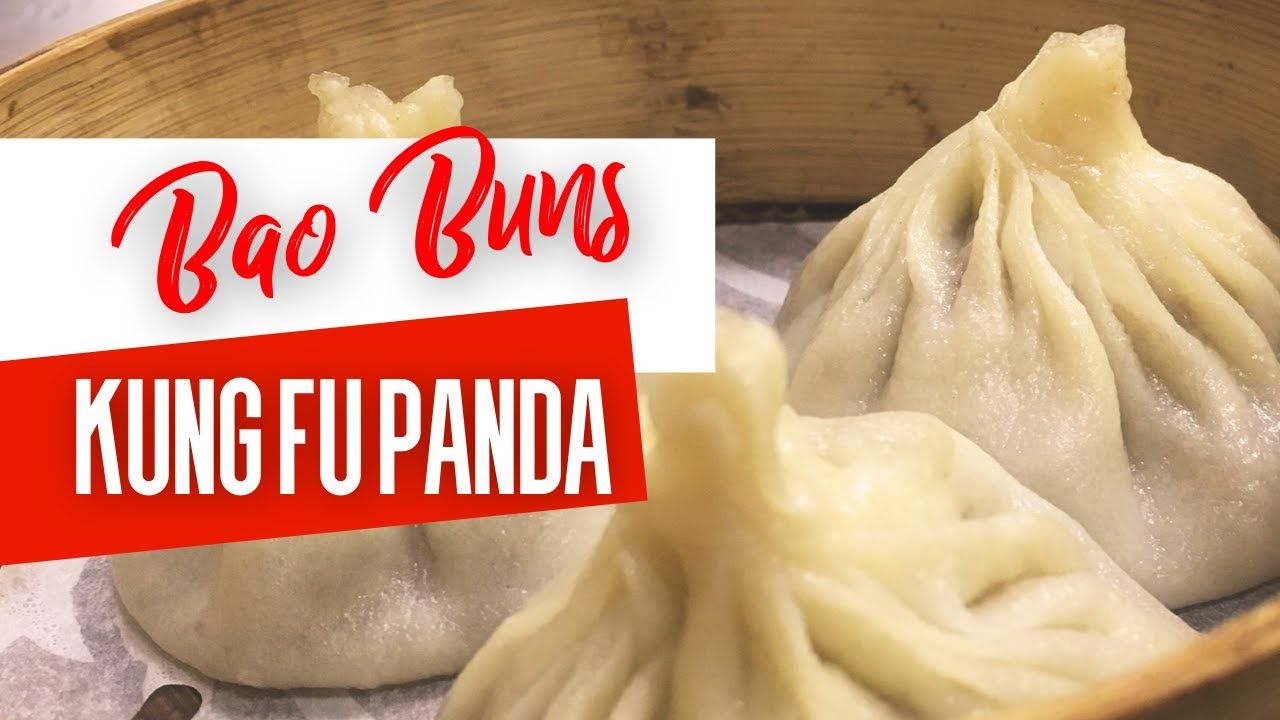
In the ever-evolving world of gastronomy, a delightful trend has emerged that captures the heart and the palate: panda-themed delicacies. These whimsical panda bao, dumplings, and panda lattes are not only culinary creations but also visual masterpieces that enchant food enthusiasts. The artistry involved in crafting these adorable treats brings a sense of wonder and playfulness to the dining experience, making them almost too cute to consume according to Reddit.
The panda-inspired dishes have sparked curiosity and admiration, as evidenced by comments pondering their origin—be it the bustling streets of Chengdu or the vibrant avenues of Ocean Park in Hong Kong. This fascination underscores a broader trend where food is not merely sustenance but an experience that taps into nostalgia and cultural storytelling. The panda motif, with its universal appeal, serves as a bridge connecting different culinary landscapes and cultural narratives.
This charming culinary innovation reflects a growing desire for experiences that are both aesthetically pleasing and tastefully executed. As consumers increasingly seek unique and memorable dining adventures, eateries are responding by offering creations that stir emotions and create shareable moments. These panda-themed treats are a testament to how food can transcend its primary purpose and become a form of creative expression that resonates with a global audience.
The impact of such visually striking and culturally rich food items extends beyond the plate, influencing how we perceive and interact with cuisine. The merging of artistry and gastronomy in these panda-themed offerings challenges traditional boundaries, inviting diners to explore the intricate layers of culinary art. This trend highlights a shift towards a more immersive and interactive food culture, where the story behind the dish is as compelling as the flavors it presents.
In a world where food trends come and go, the panda bao, dumplings, and panda latte stand out as symbols of a deeper connection between food, culture, and creativity. They inspire us to ask: How can we continue to innovate and push the boundaries of culinary art while maintaining the integrity and authenticity of the cultures we draw inspiration from? This question invites a new era of gastronomy where imagination and tradition coexist harmoniously.
