


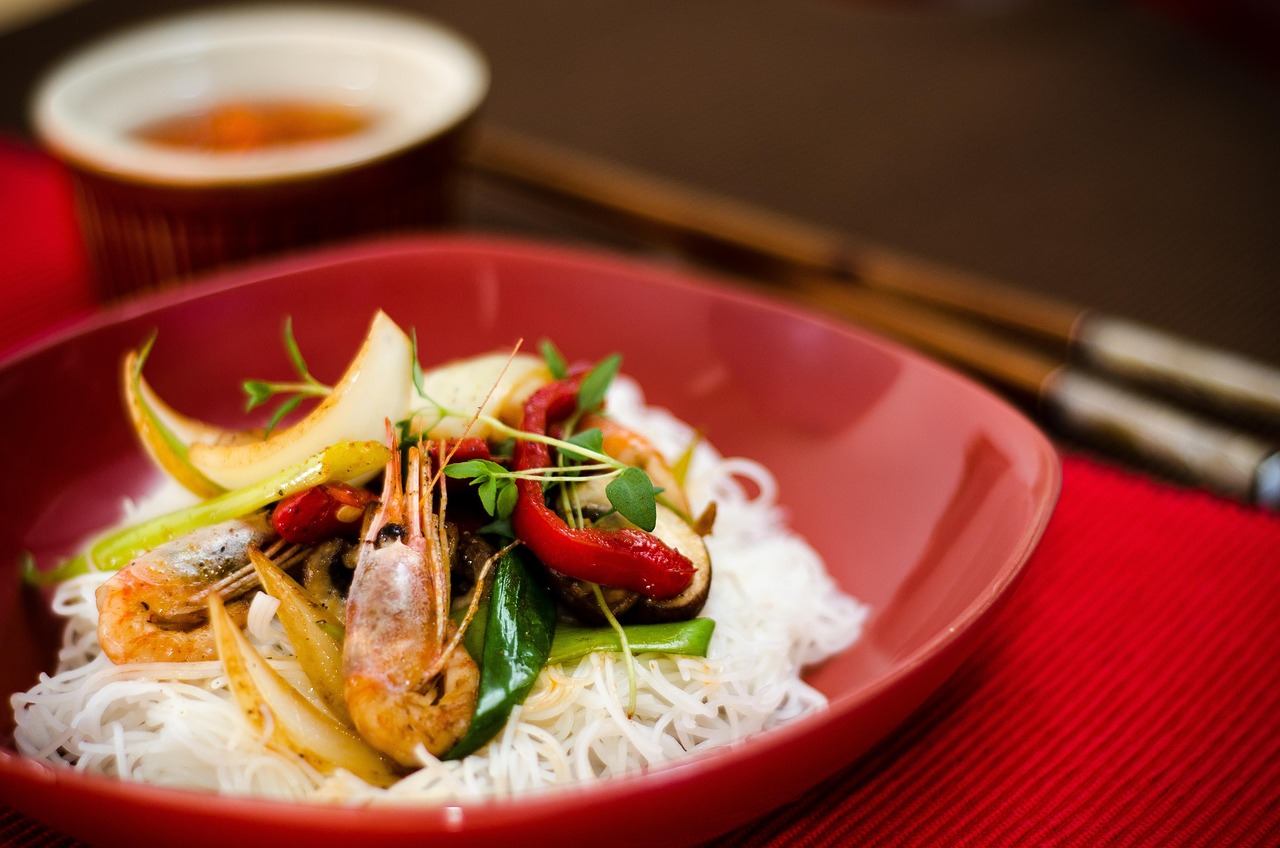
In the heart of Minneapolis, Diane’s Place and Vinai are more than mere dining establishments; they are vibrant cultural beacons showcasing the rich tapestry of Hmong cuisines. With each dish, these restaurants not only tantalize the palate but also narrate the stories of a people and their culinary traditions. The chefs, likened to cultural custodians, navigate the intricate landscape of Hmong foodways, ensuring that every meal is a journey through heritage and history.
Diane Moua’s new venture, Diane’s Place, is causing a culinary stir in Northeast Minneapolis, adding a delightful dimension to the local dining scene. Known for her exquisite approach to Hmong cuisine, Moua crafts dishes that are both a homage to her roots and an innovative reimagining of traditional flavors. This new hotspot is quickly earning a reputation not only for its sumptuous offerings but also for its role in elevating the city’s gastronomic landscape.
Vinai complements Diane’s Place by offering a similarly authentic yet contemporary take on Hmong cuisine. Together, these establishments serve as cultural archives, preserving and interpreting the complexities of Hmong flavors. Their commitment to authenticity, coupled with a modern twist, speaks to the broader trend of embracing cultural diversity in the culinary world, where traditional recipes are celebrated and redefined for today’s discerning diners.
As Diane’s Place and Vinai redefine culinary excellence in Minneapolis, they invite us to ponder the evolving role of food as a cultural connector. How do these restaurants influence our understanding of heritage and diversity in dining? By championing the flavors of Hmong cuisine, they challenge us to consider how culinary traditions can be both preserved and innovated upon, shaping the future of food in an ever-diverse world according to The New York Times. What will be the next culinary frontier to captivate our palates and imaginations?
